
I’ve been doing it for years, but to many folks, “Zero Waste Cooking” is just a cryptic combination of three random words…it might as well be “Full Contact Zucchini.” So, I wanted to write a little bit (or a little lot) about the “What, “Why,” and “How” of zero waste cooking.
What is Zero Waste Cooking? It’s cooking in a way that doesn’t generate trash. Trash, as in, that stuff that ends up in landfills where it leaches toxins that poison our soil, water, and selves.
It can include:
Avoiding foods sold in plastic or non-recyclable packaging.
Composting food scraps.
Using food before it spoils.
Repurposing leftovers, and not making so much you’ll end up throwing it out.
Cooking food in less energy intensive ways (advanced mode!)
When we talk about “Zero Waste Cooking,” is it really zero, like 0.00? Or 0.01? Or 0.07? There’s a reason they call it “Coke Zero,” “and not “Nutritionally Insignificant Amount of Calories Coke.” “Zero Waste” is a lot sexier and more marketable than “As-Little-Waste-As-Possible,” but the latter is more accurate. Do what you can, because if you do what you can’t, you won’t keep it up for long.
Why? We grew up with trash, so it can seem as constant as the sun, moon, or sky. But “trash,” as we know it, is a relatively recent invention. The first municipal garbage collection in the US didn’t start until 1895, in New York City. Before then, for most of human history, was a time when everything in the food system would be reused…scraps composted or fed to chickens, packaging reused or repurposed. Some people say it’s impossible for us to change behavior, on a society-wide scale. But that ignores the fact that we already have.
And the whole “trash” thing hasn’t really worked out for us. Like I mentioned before, that whole “poisoning our soil, water, and selves” thing. The United States is running out of landfill space. Now we’re exporting it to other countries, so they can live in our waste.

So that’s why zero waste cooking is good for the planet. But why is it good for you? Yes, you, the person reading this! Well, I can’t fully speak for “you,” but I can speak for me. I was even a “you” once. I can speak for me, and I can speak for where I find joy.
I find a lot of joy in drawing. The most joyful joy, though, is when I find new medium to play with. A really nice pen, a stick of vine charcoal…anything that can make new kinds of marks on the paper. I get massive burst of creativity, exploring all the new things I can do.
And it’s the same with cooking! New ingredients, new techniques…it can take some experimentation, but the experimentation is the fun part. Zero waste cooking is a great push in that direction.
So that’s some of the Why. I could write a book about it, but I’ll stop for now.
Onto the How…which I could write a whole library about it!
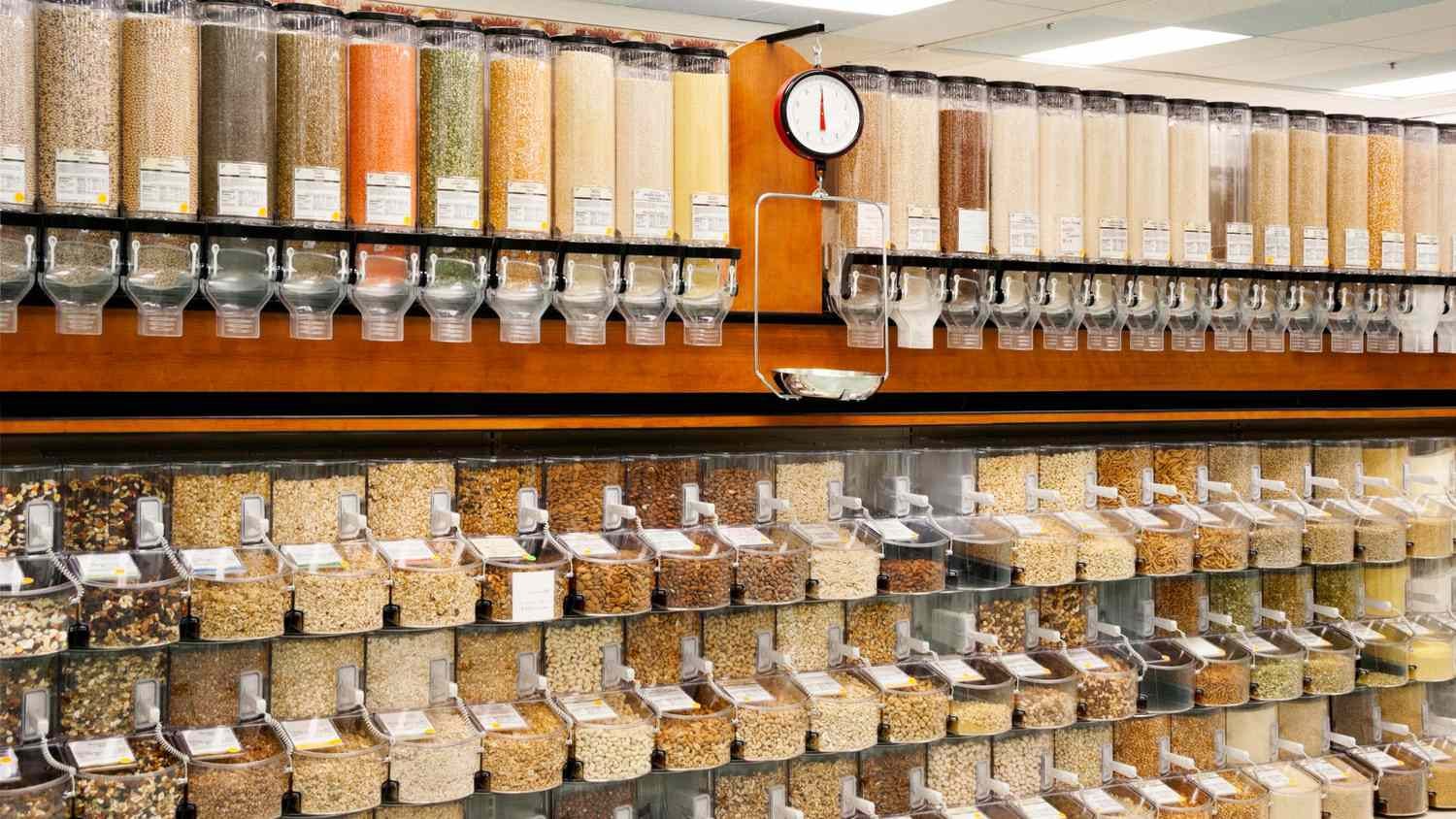
The other first thing…bulk bins. OK, you can stop reading now, you’ve learned 90% of this article’s secrets. But seriously, when it comes to zero waste cooking, bulk bins are a godsend…an oasis in a desert of plastic. I hope you live near a store with them! In the Boston area, we have multiple options: Neighborhood Produce, Pemberton Farms, even Whole Foods! There’s an entire directory of package free food in the Boston area.
Some stores might ask you to use a new plastic container every time you buy from the bulk bins, which might seem to defeat the point. For that, I will share one life hack: “If you disagree with a rule, you don’t have to follow it.” At Whole Foods, maybe you can take one of their standardized containers once, then clean and reuse it in perpetuity. What are they gonna do, kick you out?
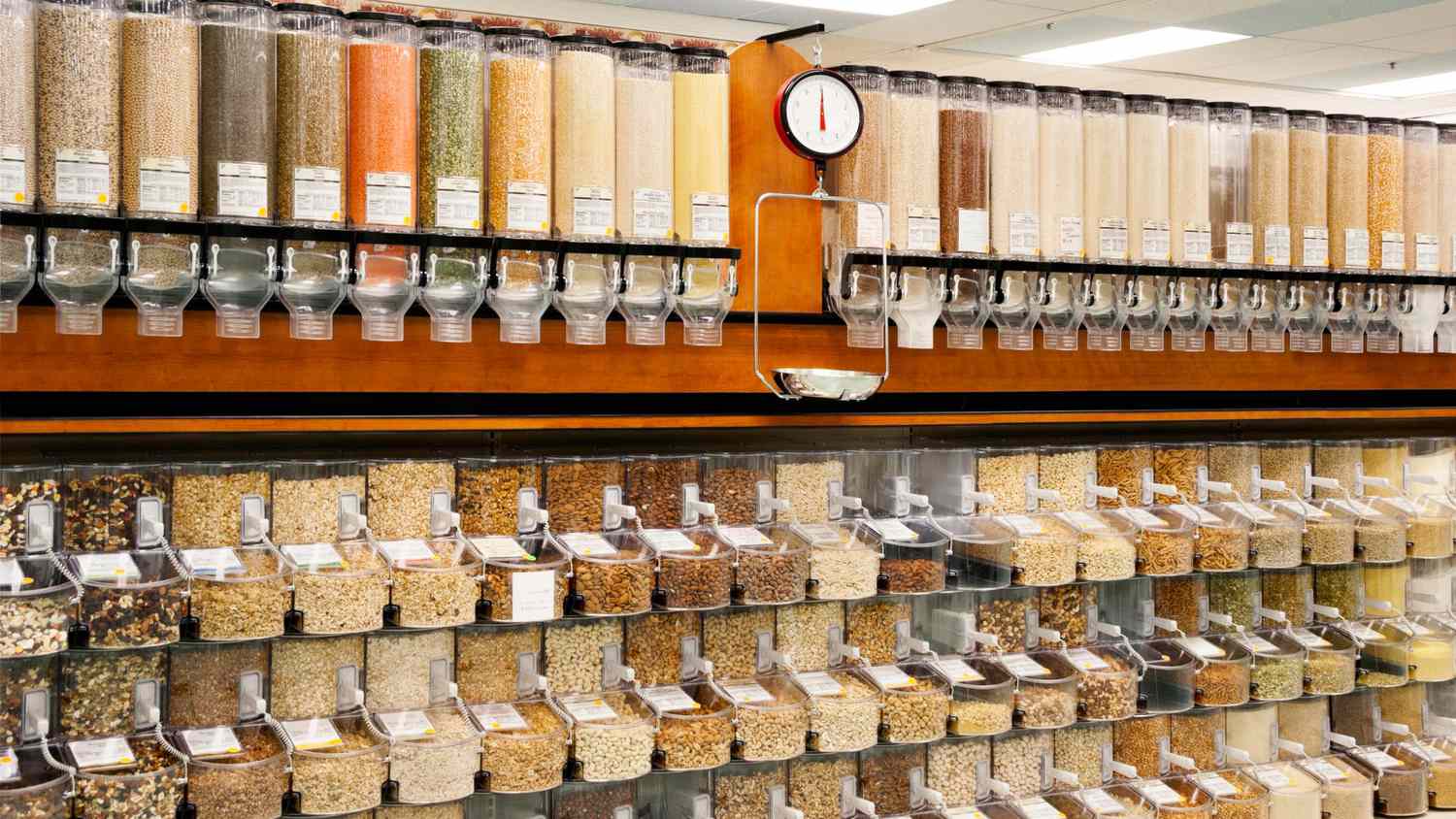
Another general principle…large packages = less packaging. It’s a matter of math, and surface area! If there’s no other option, buying food (dried beans or cumin or whatever) in a large container will mean less packaging waste.
What about produce? Not everyone wants to live on rice and beans alone. Many fruit and vegetables can be bought loose! Stores provide those thing plastic produce bags, but you don’t have to use them. I clean my fruits and veggies at home anyway, and still haven’t died.
It’s a shame that many stores wrap produce in unnecessary plastic, but you can still find plenty of variety! And look around at different stores. I kind of gave up on cauliflower for a long time, until I found that one store (the old B-Fresh in Davis Square) bucked the trend and sold them without plastic wrapping.
Even if you give up on some things, the world is full of endless variety! Maybe I can’t find blueberries without plastic packaging, but Market Basket has starfruits, hey, why not try that? If you trade the blueberries in your life for starfruits, isn’t your life cooler and sexier and more star-shaped

Brussels sprouts stalks also make a great dog toy. Are you veg*n, and crave fake meat? Tired of beans? (I know it sounds crazy, but it can happen) One literal life saver is Textured Vegetable Protein, found in many bulk bins, or large bags. Cooked up, it can take on the texture and flavor of ground beef. Perfect for hearty chilis, taco filling, sloppy joe mix, Bolognese sauce, etc.
And if you really want to get fancy, you could make your own seitan from flour or vital wheat gluten!


OK, the library is closing for now. But this is a living document! If you have your own suggestions or struggles, feel free to share them!
If it’s totally new to you, I urge you you to try cooking one zero waste meal. Learning never tasted so good.
 Thousand Year Picnic