Freeganism is a lifestyle and diet based on consuming resources that have been (or would be) thrown away. In shorter words, eating food from the trash.
For the past 8 years, I’ve lived the freegan life. I get about 85% of my food from dumpster diving, and I’m eating good. I get so many questions about it, and I wrote this up to answer some.

I still buy a few things…mostly beans, because I don’t eat meat (sometimes I wonder if grocery clerks see me as “that eccentric guy who eats nothing but beans”).
Why?
Lots of reasons, but for me, the biggest are:
1. Environmental Impact
Grocery stores and restaurants in the US are incredibly wasteful. Some studies estimate 40% of food in the US is wasted, and 61% of this waste is pre-consumer, before it even reaches our homes. Perfectly good food is thrown out for all sorts of reasons:
Cosmetic flaws or damaged packaging.
“Expiration dates” that mean nothing.
“Short coding,” when it’s still within the expiration date, but that date is too close.
Stock rotation.
Returns. Basically all returned food is immediately thrown out, because they can’t be sure if it was stored properly or tampered with.
Freeganism is the ultimate step in low-impact living. Some would say, “There’s no such thing as ethical consumption under capitalism.” Unless you’re eating tomatoes from your grandmother’s garden, there was probably some amount of carbon emitted to grow and transport that food for you. But gleaning food from the trash adds nothing to your carbon footprint.
2. Financial
Not all freegans are eco-radicals. Some are just old-fashioned frugal!
If you’re a human being, or other carbon-based lifeform, you’ve probably eaten food lately. And if so, you’ve probably paid for food lately, and been confronted by the stark fact that…holy hell, food is expensive. I’m used to getting my food from the trash, so I get that extra sick sticker shock when my eyes fall on the price of a pint of blueberries.
Freeganism pays! I can go dumpster diving for an hour and pick up $60-$100 worth of groceries. If you look at it as a part time job, it’s a solid wage.
This doesn’t have to be a selfish reason, though. If you practice effective altruism, donating a large portion of your income to charity, freeganism can go right in hand with that.
3. Joy
We can’t forget this reason. Dumpster diving is fun! Unexpected joy is the most important form of joy. When you buy food from a store, it’s a product. When you forage food from a dumpster, it’s a a blessing from the dumpster gods. And, the dumpster gods are benevolent gods.
Another secret benefit of freeganism: a constantly fresh and varied diet. Instead of falling into regular habits, I’m forced to experiment (and innovate) with new ingredients. Foods I’d never think of buying…fruits I never knew existed! Necessity is the mother of invention, and I got necessity by the barrelful.
And it goes deeper than just “joy.” When I practice dumpster diving, or “urban foraging,” I feel that line connecting me to my hunter and gatherer ancestors. It also feels akin to Buddhist monks, allowed no possessions but their robe and alms bowl, eating only what they’re given. It’s a vow of humility and simplicity. It’s filled me with these feelings, and many more, which I treasure.

How?
Dumpster diving is a lot like foraging from nature. It all depends on your local conditions…the lay of the land. I can’t tell you how to…I can only teach you how to learn. But, here’s some general principles and tips.
Look Around You
Keep your eyes open! Every store puts it’s trash somewhere. You just have to find out where.
Eventually, you’ll find your “Honey Holes,” the reliably good spots which are always worth checking. It can take a while to find them, but it’s worth it. Until then, even if you come back empty handed a few nights, consider it all reconnaissance.
Legal Stuff + Safety
In 1988, the Supreme Court decided in the case of California vs. Greenwood that there’s no common law expectation of privacy for discarded materials. When it comes to picking through someone’s trash, you need no justification but “idle curiosity.” And taking trash isn’t stealing.
There might still be local laws against dumpster diving…this blog ain’t legal advice! But I’ve run into the cops while diving twice, and both times, they just asked me to leave (I just came back 15 minutes later). Though of course, keep in mind, your level of privilege and skin tone will play into this.
If there’s a “No Trespassing” sign posted, or you’re entering a gated enclosure, you might get in trouble for trespassing. I do it myself all the time…but do keep the risk in mind! One thing I’d advise against ever doing is trying to break, pick, or circumvent locks.
If you fear for your own safety, especially as a woman, you might want to go diving with a buddy, or bring deterrence. There’s the real possibility of running into strange, unsavory characters at night. Even I’ve felt the occasional chill at unearthly howling from the darkness.
Don’t Fuck with Compactors
Many grocery stores use them. They’re huge machines that crush trash into denser, smaller blocks for ease of transport.
Compactors are a total non-starter in dumpster diving. If you see a compactor, do not try to extract anything from it! It’s not worth the possibility of losing an arm. It’s not safe, don’t do it.
Luckily, there are many source for food that don’t use compactors.
Trader Joes and ALDI are two grocery stores that don’t, in my experience.
CVS, Walgreens, and dollar stores can have a bonanza of product (though they don’t sell fresh produce). They can be “Feast or Famine”…you’ll check them a few nights, and find nothing, until you get lucky and find that one huge bag full of fancy granola bars.
Local ethnic grocery stores often operate on too small a scale to use compactors.
And bakeries or other restaurants that make food fresh each day, throwing out the leftovers. Places with bagels, donuts, etc.
Restaurants aren’t as good as you’d think, since their leftover food is usually in one big unappetizing amalgamation. But there are some worth checking, like pizza places.
Don’t Make a Mess
This is really the first commandment of dumpster diving. Whenever you come to a dumpster or enclosure, you should leave it as clean as you found it, if not cleaner. When people tear bags or strew trash around, that leaves owners to lock their dumpsters, which is a tragedy.
Day Diving or Night Diving?
Should you dive during the day, or night? Different divers swear by different things. Personally, I mostly just dive at night, to be discrete and avoid run-ins with employees. Maybe they won’t care, but being seen by employees can lead to them locking dumpsters, which is a bummer. It’s the risk of killing the golden goose.
You Don’t Have to Eat All the Junk Food You Find
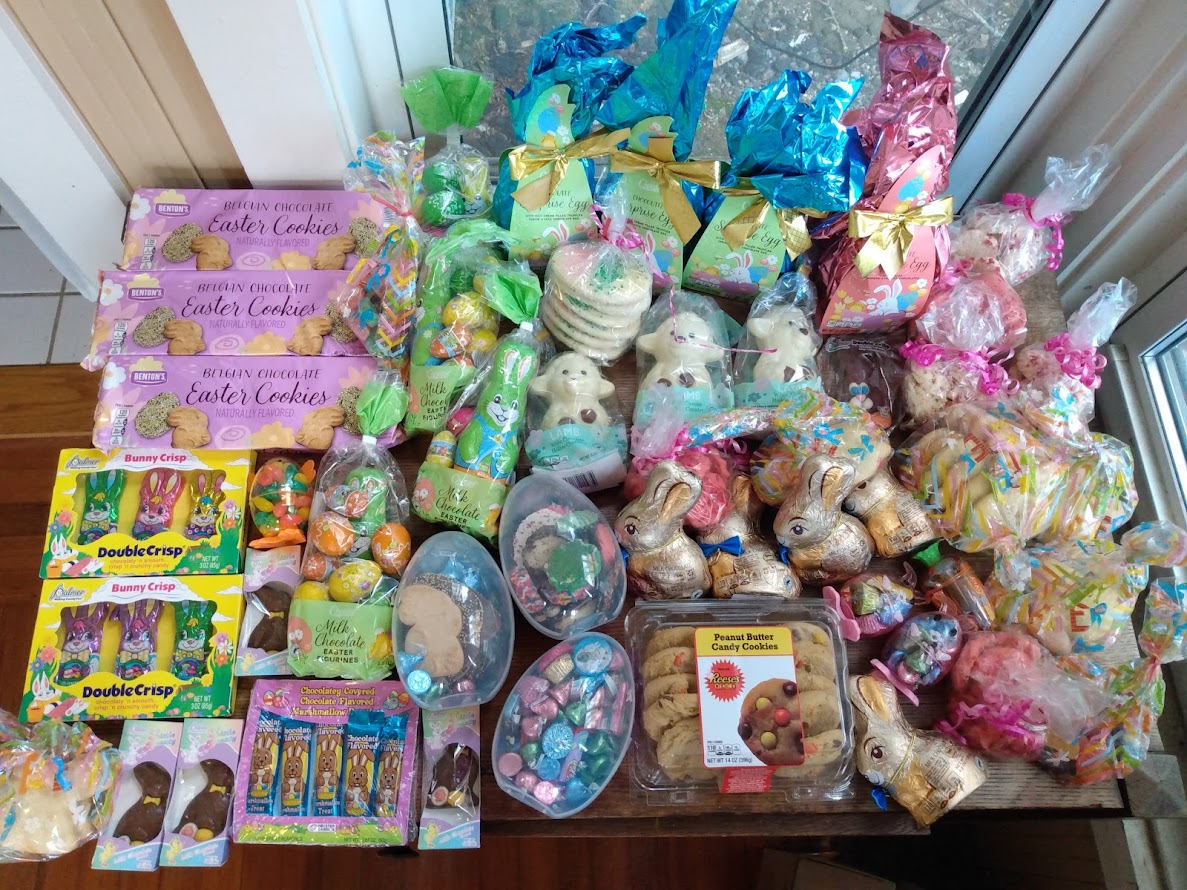
A subtle, but important, lesson to learn. Dumpsters across America are overflowing with junk food, and it can be very tempting to overindulge when you’re getting it all for free. I still eat a bit of sweet salty processed crap, but I know, I never have to buy again…nor do my friends, because I have plenty to give away.
There’s so much more I could write, but I’ll leave that for now. Any questions? Please, leave a comment and I’ll answer!
Final Thoughts
It would be wonderful if we lived in a system that discouraged food waste. Unfortunately, capitalism ain’t that system. It encourages and rewards waste. For many businesses, donating food is just a bunch of extra work and liability for no extra profit. Corporate leadership beholden to shareholders is actively punished for doing good. Their success is measured by profit, not virtue. Occasionally the flower of good will can grow through the cracks of this system, but it takes a lot of watering. You could be that water.
There’s organizations you can volunteer with that help prevent food waste: Rescuing Leftover Cuisine has chapters in many states, and Food Not Bombs. In Massachusetts specifically, there’s a charity called Foodlink, and probably others filling a similar role near you.
Many countries and states have laws that ban food waste, but they’re often poorly enforced, and only apply to large operations (in Massachusetts, it’s any business that would throw out 1 ton or more of food waste per week).
Even with charities and laws, every system of food distribution will have cracks. Through those cracks, some waste will slip. There will always be a place for freegans…people willing to eat the apples with brown spots, the expired, the unloved foods of the world. For millennia, there’s been a social class of “gleaners”…people who subsided on all the stuff left on the ground, after the harvest was over. We’ll always have our place in the food ecosystem, as the spirit of the fungi. Freegans are part of that long lineage. I’m proud to be one. I hope you get a taste of that pride yourself.
 Thousand Year Picnic